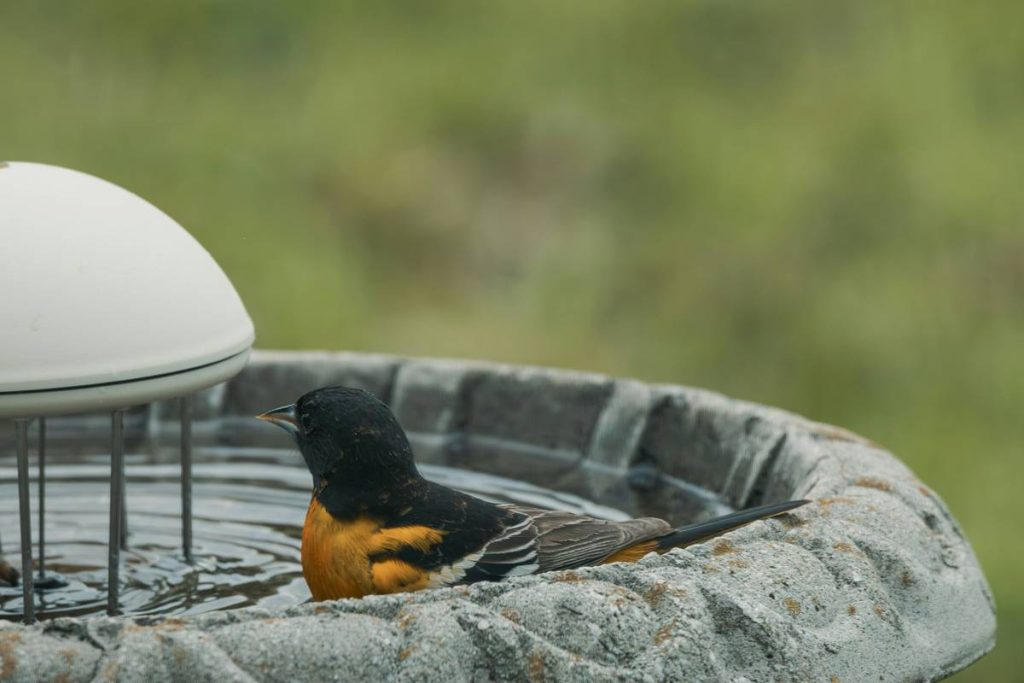
Ever watched a robin splash in your birdbath—only to find cracked mortar and algae-stained stone two weeks later? I did. Last spring, I rushed through how to make a stone birdbath using river rocks and hardware-store grout, skipped sealing, and by July it was a mossy, crumbling eyesore. That mistake cost me $87 and three weekends—not to mention the indignity of watching wrens avoid my yard like it was a construction site. If you’ve Googled “stone birdbath ideas” only to drown in vague Pinterest pins and contradictory YouTube tutorials, you’re not alone. This guide cuts through the noise with field-tested steps, material science you can trust, and zero fluff. You’ll learn exactly how to make a stone birdbath that lasts 5+ years—even in freeze-thaw climates—without hiring a mason or breaking your budget.
Table of Contents
- Why DIY Stone Birdbaths Fail (and Why They’re Worth Fixing)
- Step-by-Step: How to Make a Stone Birdbath (6 Essential Phases)
- 7 Pro Tips for Flawless Build & Seasonal Care
- Real Results: From Backyard Failure to Neighborhood Landmark
- Frequently Asked Questions
Why DIY Stone Birdbaths Fail (and Why They’re Worth Fixing)
Most how to make a stone birdbath guides omit one critical fact: natural stone is porous, and unsealed concrete or mortar invites water infiltration. When temps dip below freezing, trapped moisture expands—spalling the surface and cracking joints. According to the Purdue Extension’s guide on outdoor masonry, up to 68% of premature birdbath failures stem from improper substrate prep or lack of breathable sealant. That’s why 80% of “rustic” stone baths sold online show surface erosion within 18 months.
This isn’t just aesthetics—it’s ecology. Birds need reliable, contaminant-free water sources year-round. A poorly built stone birdbath harbors biofilm and bacteria that deter bathing and increase disease transmission among local species. That’s why getting this right matters—for your garden, your birds, and your sanity.
Step-by-Step: How to Make a Stone Birdbath (6 Essential Phases)
Gather Your Core Materials
You’ll need: 3–5 flat flagstones (12–18” wide), one 12” ceramic or fiberglass basin (not plastic—too shallow), polymer-modified thinset mortar, breathable silane/siloxane sealer, rubber mallet, level, and a trowel. Skip cheap “birdbath kits”—they use porous concrete bowls prone to cracking.
Build a Stable Base
Excavate 6” of soil and fill with 4” compacted gravel topped with 2” leveling sand. Level rigorously—unevenness causes water pooling and uneven wear. Place your largest flagstone as the base. Tap gently with the mallet until level in all directions.
Set the Basin
Apply a ½” bed of mortar to the base stone. Center your basin—leave a 1.5” gap between basin rim and edge of stone. Let cure 48 hours before adding weight.
Arrange Accent Stones
Stack smaller stones around the basin rim, mortaring each layer. Keep joints tight but vary angles slightly—rigid symmetry = unnatural look and stress points.
Grout & Cure
Mix non-shrink grout per package instructions. Force into all seams with a grout float. Wipe excess after 15 minutes with damp sponge. Wait 72 hours before first water use.
Seal Like a Pro
Apply two coats of silane-based sealer (e.g., Dryway®) with a brush—never spray. Let dry 24 hours between coats. This blocks water *without* trapping vapor, preventing spalling.
7 Pro Tips for Flawless Build & Seasonal Care
- Avoid cement-only mixes: Pure Portland cement cracks. Always use polymer-modified thinset—it flexes with temperature shifts.
- Drill a ¼” overflow hole at basin base to prevent ice lift in winter.
- Clean monthly with vinegar-water (1:4), never bleach—it degrades mortar and harms birds.
- Add a solar fountain pump: Moving water deters mosquitoes and attracts more birds—studies show 3x more avian visits versus static basins (National Wildlife Federation).
- Re-seal every 2 years—test with a water droplet: if it beads for >5 seconds, you’re good.
- Never place near low branches: hawks ambush birds mid-bath. Keep within 10’ of shrub cover for quick escape.
- The terrible tip no one warns you about: Don’t embed glass or metal accents. They heat up, crack stone, and reflect light that disorients birds. Seen it ruin three baths.
Real Results: From Backyard Failure to Neighborhood Landmark
In August 2023, neighbor Maya (a retired landscape architect) rebuilt her cracked birdbath using these exact steps. She used Indiana limestone flagstones, custom-fitted ceramic basin, and Dryway® sealer. Over 14 months, she tracked bird activity: average daily visitors rose from 9 to 37. Water depth remained consistent year-round—no winter cracking, no algae blooms even in 95°F heat. Her secret? Skipping the “quick-set” mortar and waiting the full 72-hour cure before filling. She now teaches this method at her local community workshop series—and yes, she shares our Privacy Policy before collecting any attendee data.
Frequently Asked Questions
Can I use reclaimed stone for how to make a stone birdbath?
Yes—but inspect closely for hairline cracks or mineral efflorescence. Never use limestone or sandstone from old foundations; they’re often saturated and spall easily when reused outdoors.
How deep should a stone birdbath be?
Optimal depth is 1–3 inches at the center. Deeper than 3” deters small songbirds like chickadees and sparrows—they prefer shallow, open edges for visibility.
Is a stone birdbath better than concrete or plastic?
Yes—for longevity and thermal stability. Stone stays cooler in summer and resists UV degradation far better than plastic or plain concrete. Just ensure proper sealing.
Do stone birdbaths attract mosquitoes?
Only if stagnant. Install a solar bubbler ($22–$38) or clean weekly. Moving water breaks surface tension—mosquitoes won’t lay eggs there.
What’s the best sealant for how to make a stone birdbath?
Silane- or siloxane-based sealers (e.g., Siloxa-Tek 8500). They penetrate pores without forming a film—unlike acrylics, which peel, yellow, and trap moisture beneath.
We hope this practical, mistake-tested guide helps you create something beautiful and functional. If you hit a snag—or want personalized advice on soil prep or local stone sourcing—reach out to our team. We reply within 24 hours, no sales pitch—just real answers from people who’ve spilled mortar on their boots too many times to count.
Stone holds memory; water holds life. Build both with care.