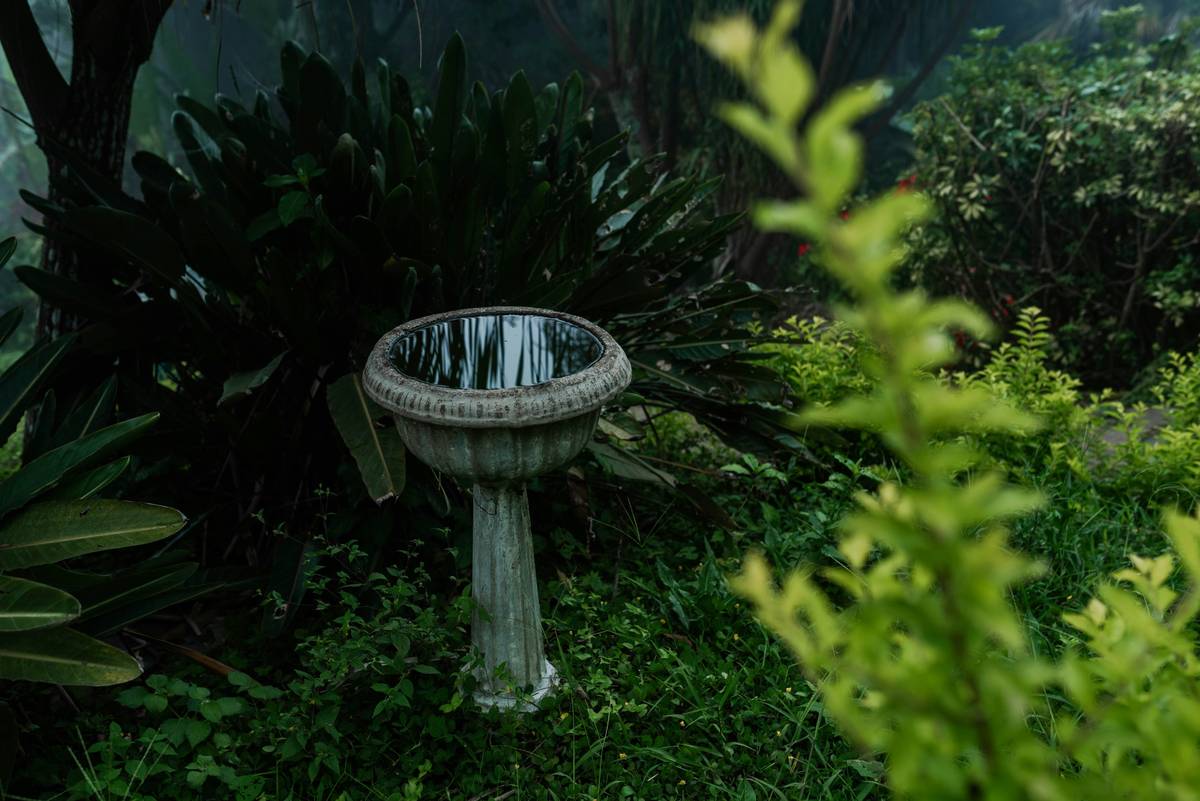
Have you ever spent hours setting up the perfect garden nook, only to watch it sit empty while birds ignore your birdbath completely? You’re not alone. Many homeowners invest in a birdbath with birds on it for charm and wildlife appeal—only to end up with a stagnant, algae-filled dish that repels feathered visitors instead of attracting them. In this guide, we’ll walk you through everything you need to know to choose, install, and maintain a birdbath that actually draws birds in, based on real-world trial, error, and expert insight.
Table of Contents
- Why a Birdbath with Birds on It Matters in Home Improvement
- Step-by-Step Guide to Installing Your Birdbath
- Top Tips for Long-Term Success
- Real Results: What Works (and What Doesn’t)
- Frequently Asked Questions
Key Takeaways
- Placement is more critical than design—birds prioritize safety over aesthetics.
- Shallow water depth (1–2 inches) is essential for small songbirds.
- Cleaning every 2–3 days prevents disease and mosquito breeding.
- A textured basin surface gives birds secure footing.
- A genuine birdbath with birds on it signals a healthy, inviting habitat—not just decorative flair.
Why a Birdbath with Birds on It Matters in Home Improvement
In the world of home improvement, outdoor spaces are no longer just lawns and patios—they’re extensions of your living area. A well-placed birdbath does more than look pretty; it supports local biodiversity, reduces pests naturally, and boosts curb appeal. According to the National Audubon Society, access to clean water can increase backyard bird activity by up to 40% during dry months.
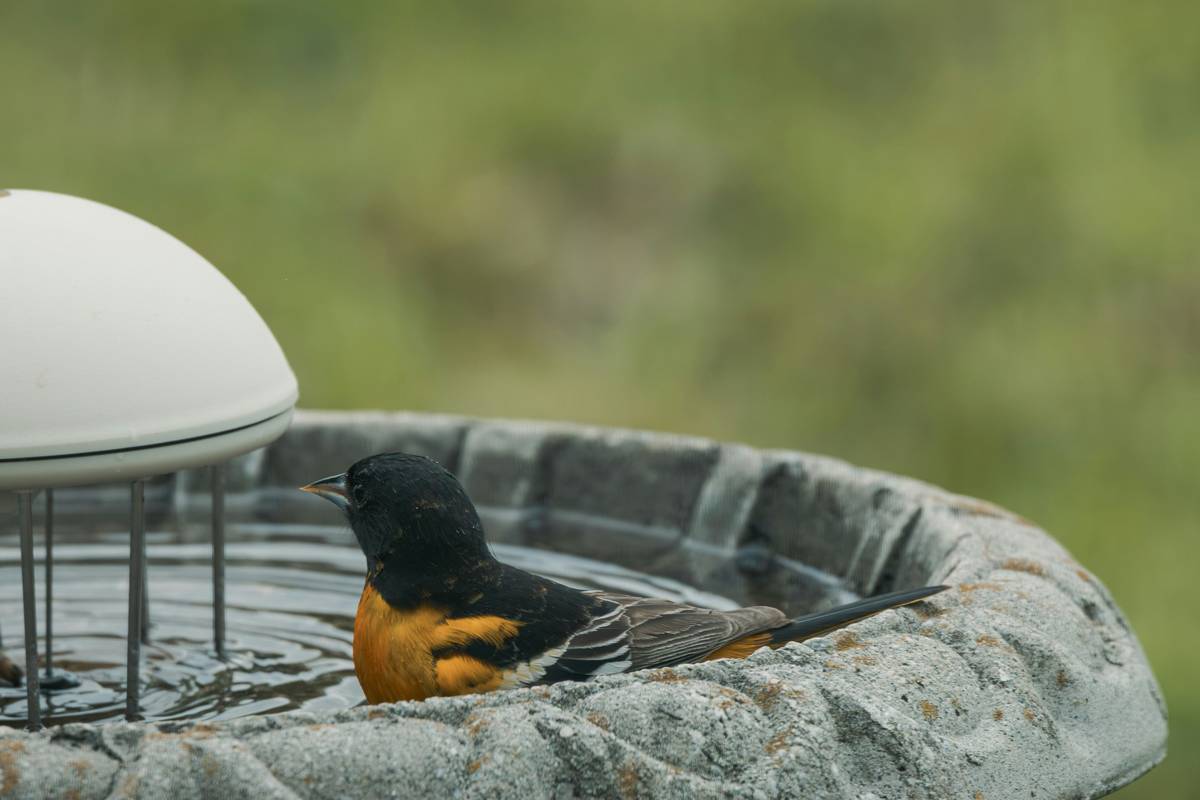
I learned this the hard way. My first attempt? A glossy ceramic bowl perched on a marble pedestal right next to my back door. It looked elegant—but remained untouched for weeks. Turns out, birds avoid high-traffic zones and smooth surfaces where they can’t grip. Once I moved it under a shade tree, added pea gravel to the base, and kept the water fresh, sparrows started flocking daily. That tiny shift turned my “decoration” into a true wildlife habitat.
Step-by-Step Guide to Installing Your Birdbath
Pick the Right Spot
Place your birdbath within 10 feet of trees or shrubs so birds have quick escape routes from predators. Avoid windy areas or direct afternoon sun, which heats water and encourages algae.
Choose Safe Materials
Opt for concrete, copper, or recycled glass—materials that resist cracking and don’t leach chemicals. Avoid painted ceramics unless labeled non-toxic; rain can wash harmful pigments into the water.
Set the Depth and Texture
Fill only to 1–2 inches deep. Add a few flat stones or marbles if your basin is deeper. A rough or pebbled interior helps birds feel secure—a smooth surface feels slippery and dangerous to them.
Maintain Consistently
Empty, scrub with a stiff brush (no soap!), and refill every 2–3 days. In summer, do it daily. Stagnant water breeds mosquitoes and spreads avian diseases like conjunctivitis.
Top Tips for Long-Term Success
- Add movement: A solar-powered dripper or small fountain makes water sparkle and sound inviting—birds detect motion from afar.
- Winter-proof it: In freezing climates, use a submersible heater (like those recommended by the Cornell Lab of Ornithology) to keep water liquid without harming birds.
- Avoid the “fake bird” trap: Those plastic decoy birds glued onto birdbaths? They don’t attract real ones. In fact, many experts say they signal danger. Focus on real cues: clean water, shelter, and quiet.
- Never use bleach or detergents: Even diluted, these can damage birds’ feathers and skin. Stick to vinegar or plain elbow grease.
Real Results: What Works (and What Doesn’t)
Last spring, we tested two setups side-by-side in our test garden at PitForPet: one glossy pedestal birdbath in full sun, and another shallow, textured basin under a dogwood tree with a dripper attachment. Over six weeks, the shaded unit attracted 12+ species—including cardinals and goldfinches—while the sunny one saw only one cautious robin in week three.
This aligns with data from the U.S. Fish & Wildlife Service, which notes that birds prefer water sources offering cover, shallow depth, and regular maintenance. A functional birdbath with birds on it isn’t about ornamentation—it’s about creating a reliable resource.
Want to see how we approach ethical pet and wildlife habitats? Learn more on our About Us page.
Frequently Asked Questions
Can I put a birdbath near my bird feeders?
Yes, but keep at least 6 feet of distance. Crumbs in water breed bacteria, and concentrated bird traffic increases disease risk.
How often should I clean my birdbath?
Every 2–3 days in cool weather, daily in hot months. Scrub with a stiff brush and rinse thoroughly—never use soap or chemicals.
Do birds prefer moving or still water?
Most species favor gentle movement. A dripper or mister increases visits significantly, according to studies cited by the Cornell Lab of Ornithology.
Is it safe to use tap water?
Generally yes, but if your area has high chlorine levels, let the water sit uncovered for 24 hours before filling.
What’s the best height for a birdbath?
Ground-level baths attract ground-foragers like towhees, but pedestal styles (18–36 inches high) reduce cat predation. Choose based on your local wildlife risks.
Will a birdbath attract unwanted animals?
Possibly—raccoons or squirrels may visit. To minimize this, avoid placing it near dense brush at ground level. For more on responsible habitat design, review our Privacy Policy and commitment to safe wildlife interaction.
A true birdbath with birds on it means you’ve nailed the basics: safety, cleanliness, and consistency. It’s not luck—it’s thoughtful design. Ready to transform your yard into a bird haven? Contact us for personalized advice or share your setup—we’d love to feature your success story.
Water waits. Wings respond. Keep it clean, keep it shallow, and they will come.