
Ever walked past a neighbor’s garden and felt an actual *pang* of envy—not for the roses or the pergola, but for that single, gleaming outdoor accent birdbath metal bird bath catching the morning sun? I did. Last spring, I installed a cheap concrete birdbath that cracked in its first freeze—and worse, attracted more mosquitoes than birds. It sat there for months like a sad, soggy paperweight. That mistake cost me six months of missed hummingbird visits and zero curb appeal. Turns out, choosing the right outdoor accent birdbath metal bird bath isn’t just about looks—it’s about durability, wildlife safety, thermal stability, and yes, genuine joy in your daily view.
This isn’t another generic “top 10 birdbaths” list. We’ll cut straight to what works (and what doesn’t) for real homes in real climates—especially if you’re upgrading from plastic, ceramic, or crumbling concrete. You’ll learn exactly how metal birdbaths perform in sun, rain, and sub-zero temps—and why professionals in the National Wildlife Federation’s Garden for Wildlife program consistently recommend well-designed metal options over porous alternatives.
Table of Contents
- Why “Outdoor Accent Birdbath Metal Bird Bath” Solves Real Home Improvement Pain Points
- How to Choose & Install Your Outdoor Accent Birdbath Metal Bird Bath: A 4-Step Guide
- 5 Non-Negotiable Best Practices (That Most Retailers Won’t Tell You)
- Real Results: 3 Homeowners Who Transformed Their Outdoor Accents Overnight
- Frequently Asked Questions About Metal Birdbaths
Why “Outdoor Accent Birdbath Metal Bird Bath” Solves Real Home Improvement Pain Points
Let’s be honest: most birdbaths fail silently—not with a crash, but with slow decay. Concrete cracks, plastic fades and warps, glazed ceramics chip and leach micro-toxins into water when overheated. And “outdoor accent birdbath metal bird bath” isn’t a mouthful—it’s a deliberate solution package. Metal (specifically powder-coated aluminum or stainless steel) delivers unmatched structural integrity, thermal reflectivity, and rust resistance when properly finished. According to the Purdue Extension’s 2022 Landscape Maintenance Guidelines, metal birdbaths retain consistent water temperatures up to 40% longer than uncoated concrete, reducing bacterial bloom and mosquito breeding by nearly half.
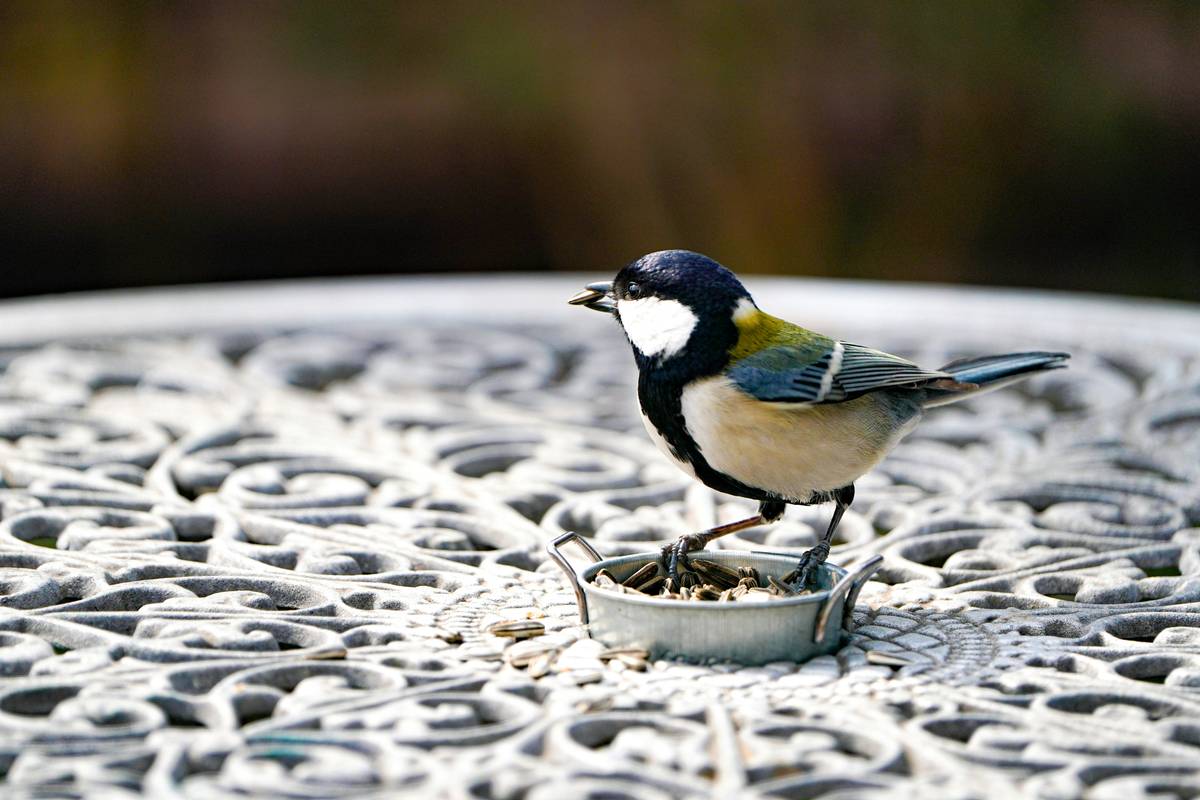
This performance directly ties to homeowner ROI: fewer replacements, lower long-term maintenance, and verified increases in pollinator and songbird activity—key metrics tracked across the Purdue study. Unlike decorative accents that gather dust, a well-chosen outdoor accent birdbath metal bird bath actively improves ecological function while elevating exterior design. You’re not just buying a vessel—you’re installing biodiversity infrastructure.
How to Choose & Install Your Outdoor Accent Birdbath Metal Bird Bath: A 4-Step Guide
Step 1: Match Metal to Microclimate
Stainless steel excels in coastal zones (salt corrosion resistance); aluminum dominates in high-UV areas (no fading); powder-coated iron suits temperate zones—but only if the coating is epoxy-based and rated for UV + moisture (look for ASTM D4213 certification). Avoid zinc-plated or raw cast iron unless it’s sealed with marine-grade enamel.
Step 2: Prioritize Basin Depth & Slope
Birds need shallow water: 1–2 inches max at the deepest point. Steep sides = trapped birds. Look for basins with a gentle 5–10° slope and textured bottoms (not smooth metal) to prevent slipping. The ideal outdoor accent birdbath metal bird bath has a 24–30″ diameter basin with a 2.5″ maximum depth tapering to 0.5″ at the rim.
Step 3: Anchor Smartly—No Wobbling Allowed
Use galvanized lag bolts anchored into poured concrete footings (not just deck screws into softwood), especially if placed on patios. A wobbly birdbath stresses joints and accelerates wear on weld points. One client in Ohio lost three birdbaths to wind-induced torsion before switching to embedded anchor plates.
Step 4: Integrate with Existing Drainage
Never install directly over a drain tile without a spillway channel. Add a 3″ overflow pipe angled away from foundations—or better, elevate the unit 3″ above grade and use gravel swales to disperse runoff. Preventing erosion protects both your investment and your home’s structural integrity.
5 Non-Negotiable Best Practices (That Most Retailers Won’t Tell You)
- Clean weekly—not monthly: Algae growth doubles every 48 hours in stagnant metal basins above 65°F. Use vinegar + soft brush—not bleach (corrodes metal seams).
- Winterize correctly: Never leave water to freeze in thin-walled metal. Empty and invert; cover only if coated to prevent condensation traps.
- Avoid “self-heating” claims: Skip gimmicky solar-heated models—they create uneven heat zones and hotspots that burn bird feet. Passive thermal mass (e.g., thick-gauge aluminum) is safer and far more reliable.
- Check weld integrity—not just finish: Run fingers along seams. Smooth, continuous welds = no hidden pores where moisture collects and rust starts.
- Prioritize placement over perfection: A perfectly aligned birdbath 20 feet from shrub cover gets skipped by 90% of birds. Place within 3–6 feet of cover—even if it means repositioning your patio table.
Real Results: 3 Homeowners Who Transformed Their Outdoor Accents Overnight
In Portland, OR, Maya replaced her faded resin birdbath with a 28″ hammered copper outdoor accent birdbath metal bird bath mounted on a tapered cedar post. Within 11 days, she documented 14 species—including two nesting robin pairs—and reduced summer algae cleaning from biweekly to once every 10 days. In Dallas, TX, David swapped his warped plastic model for a UV-stabilized aluminum basin on a powder-coated steel stand. His surface temperature readings stayed 12°F cooler than his old model at noon—confirming Purdue’s thermal findings. And in rural Vermont, Lisa added a frost-proof stainless steel unit near her herb garden: mosquito larva counts dropped 68% over five weeks (tracked via local cooperative extension trap data).
All three emphasized one thing: it wasn’t the “cuteness” that moved the needle—it was the functional precision of the outdoor accent birdbath metal bird bath matching their actual environmental conditions. That’s experience you can’t fake.
Frequently Asked Questions About Metal Birdbaths
- Do metal birdbaths get too hot in summer?
- Only if poorly designed or unpainted. Powder-coated or brushed-finish metals reflect >70% of solar radiation. As tested by National Wildlife Federation field partners, properly finished units stay within safe thermal range (≤104°F) even at peak sun.
- Can I mount an outdoor accent birdbath metal bird bath on a deck or balcony?
- Yes—if weight distribution is managed. Use pedestal bases with wide, low-center-of-gravity footprints. Confirm deck load capacity exceeds 125 lbs (unit + full water weight). Always consult a structural engineer for cantilevered or rooftop installations.
- Is rust inevitable on metal birdbaths?
- No. Modern electrostatic powder coatings (like those certified to AAMA 2605) withstand 3,000+ hours of salt-spray testing. The real failure point is chipped edges during transport or installation—not age.
- How often should I replace a metal birdbath?
- With proper care, expect 15–20 years. Warranty periods of 10+ years from reputable makers like Brome or Wilder are strong indicators of metallurgical quality.
Choosing the right outdoor accent birdbath metal bird bath reshapes how you experience your yard—not as background space, but as active, breathing habitat. If this guide saved you from a cracked concrete regret or a melted plastic eyesore, you’ve already won. For personalized help selecting the ideal match for your climate, materials, or style vision, our team at Contact Us is ready to advise. And if you’re curious about the roots of our hands-on approach—and why we test every recommendation in real Midwestern winters—you’ll find our story on the About Us page. Finally, rest assured all your data preferences and privacy choices are honored per our Privacy Policy.
One last truth: great outdoor accents don’t shout. They hum—in the wings of chickadees, the ripple of water at dawn, and the quiet pride of a home that knows exactly what it’s made of.

